
Top Waterproofing Products for Reliable Protection
Discover the leading waterproofing solutions designed to safeguard your property from moisture and water damage effectively.
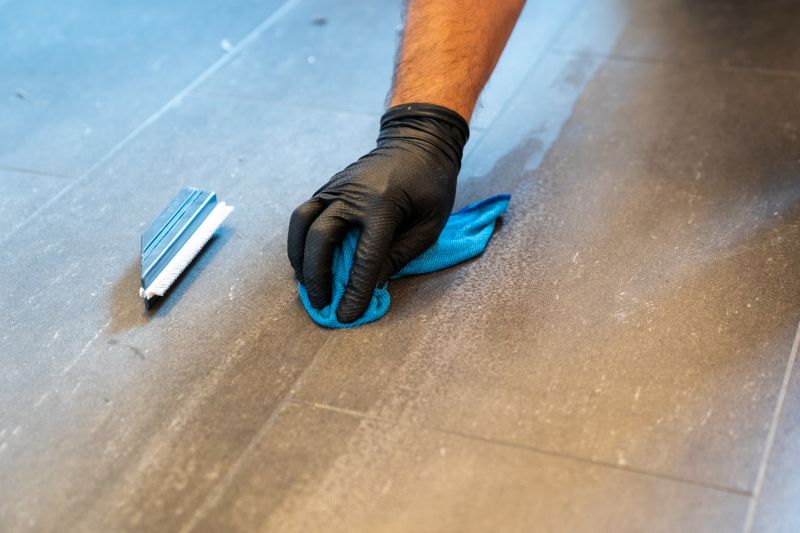 Waterproofing products play a crucial role in protecting structures from water intrusion, helping to maintain the integrity and longevity of buildings, foundations, and various surfaces. Whether applied to basements, roofs, or outdoor surfaces, choosing the right waterproofing solution depends on factors such as the type of surface, exposure conditions, and specific project requirements. Proper application and selection of suitable materials can prevent issues like leaks, mold growth, and structural damage. In High Point, NC, where weather patterns can include heavy rain and humidity, having reliable waterproofing products is essential for both residential and commercial properties.
Top Overall Option
Liquid Waterproofing Membrane
A versatile liquid membrane can be applied as a coating to various surfaces, creating a seamless and flexible barrier against water intrusion. It is suitable for roofs, basements, and balconies, offering ease of application and adaptability to different shapes and surfaces. When properly applied, it can provide long-lasting protection, especially in areas prone to moisture exposure. This type of waterproofing is often favored for its ease of use and ability to conform to complex surfaces, making it a practical choice for diverse projects.
Types of Products For Waterproofings
Liquid Waterproofing Membranes
Flexible coatings applied as liquids to form seamless barriers on various surfaces.
Sheet Membranes
Pre-fabricated sheets made from rubber, bitumen, or plastic for durable waterproofing layers.
Bituminous Coatings
Asphalt-based coatings ideal for foundation walls and underground structures.
Polyurethane Coatings
High-performance coatings suitable for roofs and decks requiring elastic, waterproof layers.
Cementitious Waterproof Coatings
Ready-mixed cement-based products that bond well with concrete and masonry surfaces.
Sealants and Caulks
Flexible compounds used to fill cracks, joints, and gaps to prevent water seepage.
Waterproof Paints
Coatings designed to resist moisture penetration on walls and surfaces.
Crystalline Waterproofing
Chemical treatments that penetrate concrete to block pore openings and enhance water resistance.
Liquid Rubber Coatings
Elastomeric coatings offering durable and flexible waterproof barriers for roofs and decks.
Resin-Based Waterproofing
Epoxy or acrylic resins used for specialized waterproofing applications.
Spray-On Waterproofing
Spray-applied coatings for quick and uniform waterproof barriers on large surfaces.
Vapor Barriers
Materials designed to prevent moisture vapor transmission through walls and floors.
Popular Choices
Widely used for its versatility and ease of application across different surfaces.
Preferred for foundation waterproofing due to their durability and reliability.
Commonly selected for underground and roof applications for their proven performance.
Popular for decks and flat roofs requiring elastic, waterproof layers.
Favored for basement walls and water tanks for their strong adhesion and compatibility.
Essential for sealing joints and cracks in various construction projects.
Commonly used for exterior walls and surfaces exposed to moisture.
Chosen for concrete structures requiring internal water resistance.
Increasingly popular for roof repairs and waterproofing decks.
Selected for specialized applications demanding high chemical resistance.
Valued for large-scale projects needing quick and uniform application.
Different types of waterproofing products are designed for various applications. Liquid membranes can be applied as coatings to create a seamless barrier, while sheet membranes offer durable, pre-fabricated layers for foundation or roof sealing. Sealants and caulks are useful for filling small cracks and joints, preventing water ingress at vulnerable points. Additionally, waterproof paints and coatings are versatile options for surfaces like concrete, brick, or wood, providing a protective layer that resists moisture penetration.
Choosing the appropriate waterproofing product involves understanding the specific needs of your project, including surface type, exposure level, and environmental conditions. Proper surface preparation is vital to ensure adhesion and effectiveness. Regular maintenance and inspections can help identify potential issues early, allowing for timely repairs or reapplications. Consulting with local suppliers or professionals in High Point, NC, can provide insights into the most suitable products for your location and requirements, ensuring your property remains protected against water-related damage over time.
Key Buying Considerations
- Identify the specific surface type and its compatibility with different waterproofing materials.
- Assess the exposure conditions, such as standing water, humidity, or direct sunlight.
- Determine whether a liquid, sheet, or coating product best suits your project needs.
- Consider the ease of application and whether professional help is required.
- Check for compatibility with existing materials and previous waterproofing layers.
- Evaluate the durability and expected lifespan of the product in your environment.
- Review the product’s flexibility, especially for surfaces subject to movement or expansion.
- Ensure the product is suitable for indoor or outdoor use based on your project location.
- Look into the drying or curing time to plan your project timeline accordingly.
- Consider maintenance requirements and ease of reapplication if necessary.
- Verify the product’s compliance with relevant safety and building standards.
- Assess the cost-effectiveness relative to the area or volume covered.
- Research customer reviews and expert recommendations for insights into performance.
- Determine if the product is suitable for temporary or permanent waterproofing solutions.
- Check for warranties or guarantees offered by the manufacturer.